The cap and the floor
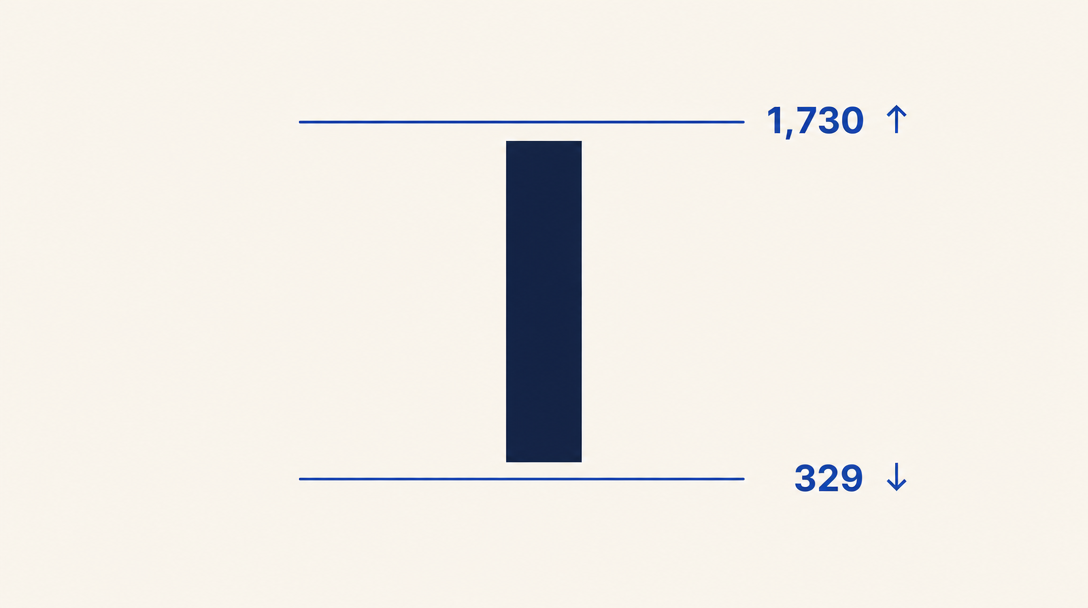
Reserve compensation is computed per day of service, bounded at both ends. Effective 1 January 2026:
| Bound | Daily amount | Monthly equivalent |
|---|
| Maximum (ceiling) | 1,730.33 NIS | 51,910 NIS |
| Minimum (floor) | 328.76 NIS | 9,863 NIS |
These are precise published rates with an effective date, and they reset annually: verify the current figures at the Bituach Leumi reserve-service rates page before relying on them. The monthly column is the daily figure times 30.
If your normal income is high, your daily tagmul is capped at the ceiling. If it is low or zero, you still receive at least the floor. The 2025 figures were slightly lower and were adjusted during the war period.
The self-employed calculation
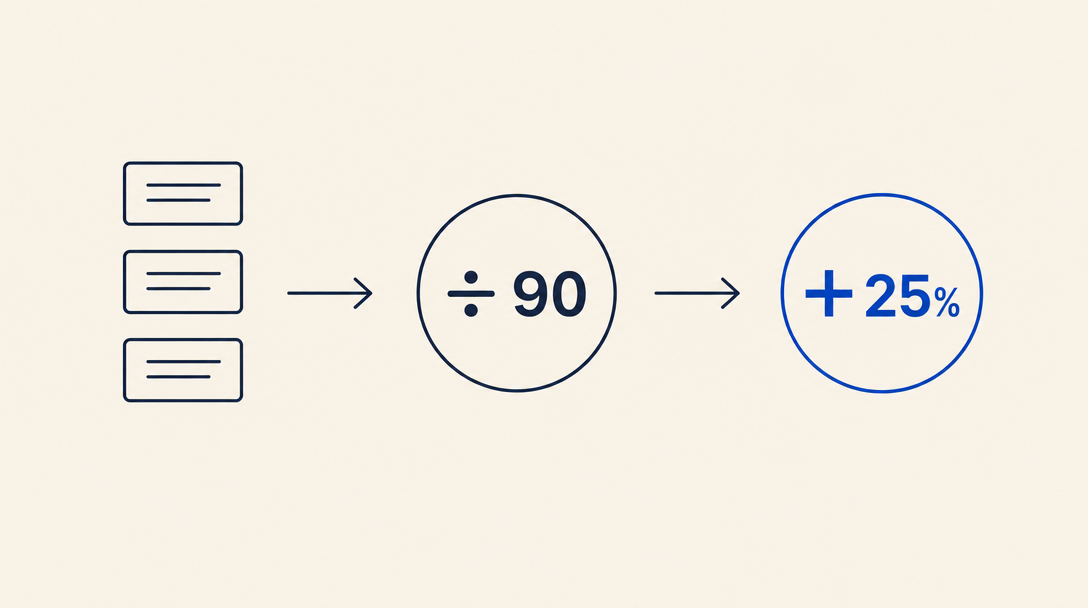
For an employee, the daily tagmul is based on the prior three months of salary. For the self-employed, it is based on your reported income (the basis on which you paid advance National Insurance contributions, mkdamot, before your service), prorated to a daily figure. As a rule of thumb that is roughly your reported installments for the three months before service divided by 90, but Bituach Leumi derives the exact daily base from your assessment, so their figure may not literally match your last three mkdamot receipts. Two things make the self-employed calculation special:
- A 25% supplement. The self-employed receive an additional 25% on top of the base calculation, applied within the cap and floor above (when the ceiling binds, the supplement does not push you past it).
- A war-period favorable rule. Your tagmul is computed on the higher of your reported installments or your final annual tax assessment, and recalculated after the assessment is finalized. If your reported installments understated your real income, the later assessment can increase what you are owed.
The most common self-employed mistake is treating the first payment as final. It is provisional. When your annual assessment is filed, revisit your tagmul: the recalculation can owe you more. The israeli-freelancer-ops skill helps you keep the income records that drive this recalculation.